

Truth About Digestive Supplements (From Someone Who Actually Needs Them)
How I Optimize Without Opting Out of Life

Let me paint you a picture: It’s dinner time, I’m starving, and I order salmon with roasted sweet potatoes because I need omega-3s and complex carbs. Fast forward 30 minutes, and my stomach has expanded to astronomical proportions. The bloat is so real I have to unbutton my jeans and rest on my couch.
Sound familiar?
Here’s the thing - I used to think this was just “normal” digestion. Until I had my appendix removed and discovered that little organ was doing way more than Western medicine gives it credit for. Turns out, your appendix is basically a bacterial safe house, a cozy little studio apartment where your good gut bacteria can flourish and repopulate your intestines after illness or, you know, a round of antibiotics.
Without it? My digestion went from occasionally temperamental to consistently chaotic.
Why I Can’t Just “Eat Better” My Way Out of This
Before the wellness warriors come for me - yes, I know about food combining, I wrote about it:

Life happens around food. Connection happens around food. And especially during the holiday season, when your mom makes her famous stuffing or your friend hosts their annual dinner party, the last thing you should be doing is choosing between your digestive comfort and actually living your life.
You know what’s worse than bloating? Being that person who brings their own little tupperware to Christmas dinner. Or declining every dinner invitation because you’re afraid of what’s on the menu. Or sitting at a restaurant interrogating the waiter while your friends’ food gets cold.
This isn’t about having no self-control. It’s about refusing to let imperfect digestion turn you into a social hermit.
And here’s what the “just eat clean” crowd doesn’t tell you: Some of us have legitimate physiological reasons why our digestion is suboptimal. Surgery, chronic stress, aging, medications - they all affect our body’s ability to produce adequate digestive enzymes.
After trying every natural remedy from apple cider vinegar shots (hello, stomach burn) to eating nothing but mono meals, I finally accepted that I needed actual supplemental support.

My Digestive Supplement Journey (The Good, Bad, and Useless)
I’ve tried it all. The Insta-famous drops that taste like dirt and do nothing. The “proprietary blend” pills with 47 ingredients at homeopathic doses. The only thing that’s consistently worked? A mix of natural remedies that are back by molecular science.
After months of research (and way too much money spent), here’s what actually moves the needle:
Heavy Hitters
Digestive Enzymes - Look, I know they’re not sexy, but they’re literally doing the work your body can’t. When I eat that protein + starch combo my body hates, proteases break down the salmon while amylases handle the potatoes. It’s like hiring a cleaning crew for your intestines.
Ginger Root - This isn’t your grandma’s stomach soother (actually, it is, she was just ahead of the science). Ginger contains gingerols that literally speed up gastric emptying by 25%. That heavy meal sitting like a rock? Ginger says “move it along.”
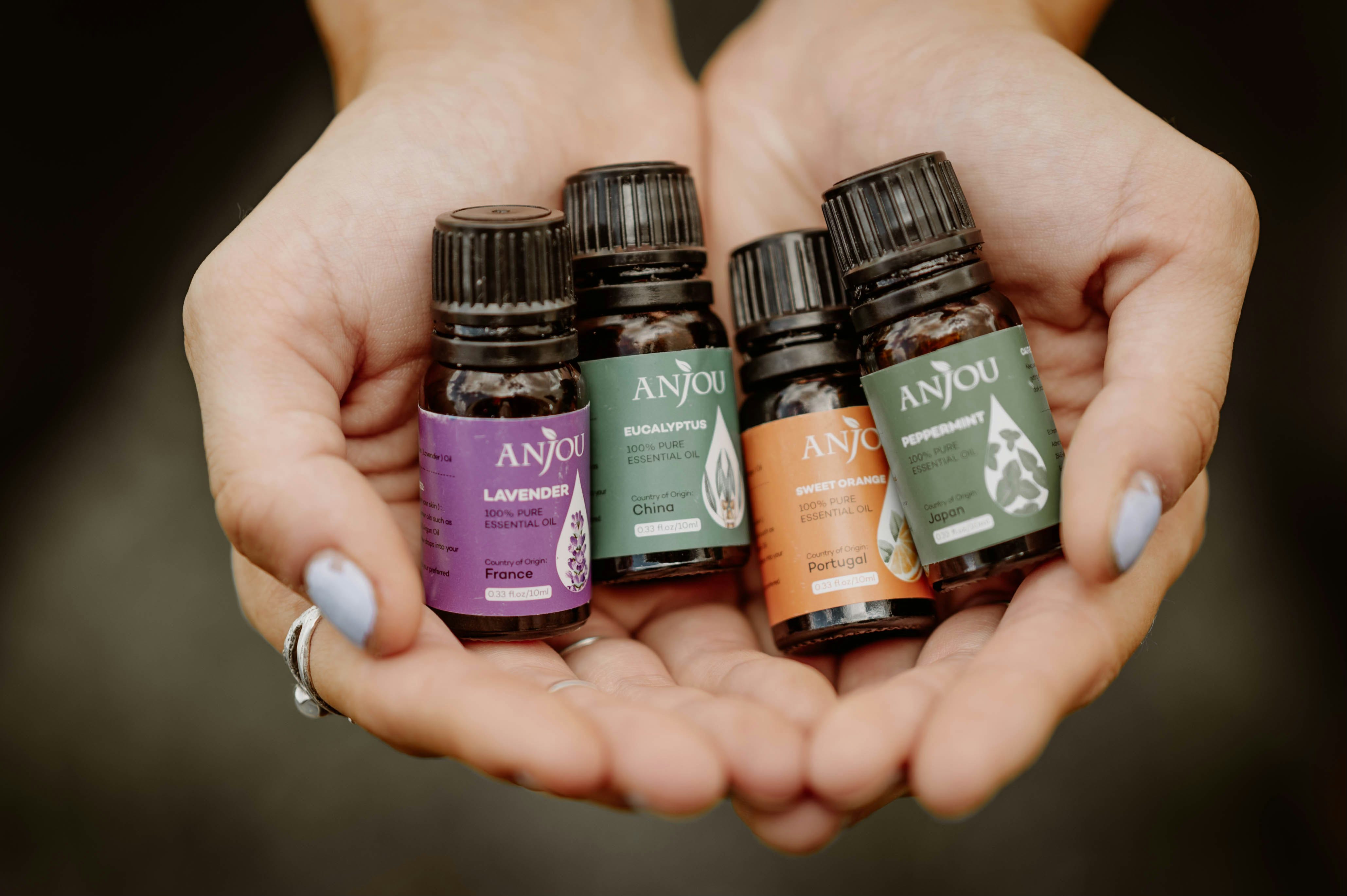
Peppermint Oil - But ONLY enteric-coated. Regular peppermint oil gets destroyed by stomach acid before it can reach your intestines where the real bloating happens. The enteric coating is like a protective uber that delivers it exactly where needed.
Underrated MVPs
L-Glutamine - This amino acid is basically spa treatment for your gut lining. Post-appendectomy, my intestinal walls needed serious TLC. L-glutamine is their primary fuel source. I take 5g daily, and the difference in my bloat frequency is dramatic.
Bromelain - From pineapples, because nature is smart like that. This enzyme works in a wider pH range than your pancreatic enzymes, meaning it keeps breaking down proteins even when your stomach’s pH is all over the place (hello, stress eating).
Dandelion Root - Yes, the weed. It stimulates bile production which helps with fat digestion. Plus it’s a gentle diuretic that doesn’t leave you depleted like those “flat tummy” teas (which are just laxatives in cute packaging).
The “Break Glass in Emergency” Options
Activated Charcoal - This is not for daily use, people. It binds everything - the bad AND the good. But when you’re so bloated because of something off - two capsules, two hours away from any other supplements or meds. Game changer.
My Current Stack (That Actually Works)
Before meals: Digestive enzyme complex + Bile support
After problem meals: Arrae Bloat or my own mix of ginger + peppermint + fennel
Daily: L-glutamine (fortnightly, empty stomach) + probiotics (morning)
Emergency: Activated charcoal (kept in my travel purse)
Wellness Industry Reality Check
Can we please stop pretending that:
Everyone’s bloating is from “toxins” (what toxins, specifically? Name them.)
A $89 “debloat” elixir with 0.5mg of active ingredients will transform your digestion
Bloating means you’re unhealthy (sometimes it just means you’re human)
We should all be eating like rabbits to have flat stomachs 24/7
The Bottom Line
Your digestion is as unique as your fingerprint.
If you’re dealing with legitimate digestive issues - whether from surgery, stress, or just genetic lottery - supplements can be a game-changer. But only if you:
Choose ingredients with actual research behind them
Take therapeutic doses (not fairy dust amounts)
Address YOUR specific issues (not what Instagram says you have)
I’m currently developing my own digestive supplement because I’m tired of choosing between overpriced proprietary blends and DIYing six different bottles. It’ll have real doses of what actually works, without the marketing fluff.
Because where wellness meets realness means admitting that sometimes you need more than meditation and green juice to fix your gut.