

Enzyme-maxxing
Enzymes Are Having a Moment

Everyone is obsessed with inputs.
More protein. More minerals. More adaptogens. Better sourcing, cleaner labels, higher doses, third party testing. Wellness is in a competition over what goes in the mouth, and almost nobody asks the prior question — which is whether any of it is actually getting in?
You can pour the finest ingredients in the world into a machine that isn’t running. What you get out the other end is expensive urine and a bloated stomach at 3pm.
That’s an enzyme question. And enzymes are the most underrated lever in all of wellness.
What enzymes actually do
Digestion is a chemical process, and the chemistry is hydrolysis — using water to cleave big molecules into small ones. Enzymes are what make that reaction happen fast enough to matter. Without them, the reaction still occurs, technically. It just takes years instead of hours.
Three families do most of the work:
Proteases break protein into amino acids. This is the one people feel most immediately. Undigested protein sitting in your gut is heavy, slow, and fermentable.
Lipases break fat into fatty acids and glycerol. Fat is the hardest macronutrient to digest and the one most dependent on a functioning system — you need bile and lipase working together, in sequence.
Amylases break starch into sugars. Your saliva starts this before food even leaves your mouth, which is why bread starts tasting sweet if you chew it long enough.
Here is the part that should reframe things for you: raw food comes with its own enzymes. A raw pineapple contains the enzymes to break itself down. Cooking above roughly 118°F destroys them. An entirely cooked food asks your body to supply one hundred percent of the enzymatic labor, every single meal, forever. That’s a real bill.
Why your output is falling
Nobody’s enzyme production is what it was.
Age. Pancreatic enzyme secretion declines measurably with age. This isn’t a fringe claim; it’s why the same meal that was fine at twenty-five sits like a rock at forty. Your pancreas is quietly derating and nobody sends you a notification.
Sympathetic dominance. Digestion is a parasympathetic function. It runs on rest and digest — that’s the actual name of the state. If you are eating in a hurry, in your car, mid-argument, or with your nervous system braced for the next thing, your body is not allocating resources to enzyme secretion.
Volume and speed. Enzyme output has a ceiling. Eating a very large meal very fast is asking for a batch job that exceeds capacity. The overflow ferments. That’s the bloat.
Low stomach acid. Stomach acid is the ignition for your enzymes to work. Your main protein-digesting enzyme, pepsin, only switches on in an acidic stomach. No acid, no pepsin. So suppressing acid due to medication long-term turns off protein digestion at the very first step.
The protocol
1. Chew until it’s liquid
This is the single highest-leverage change and it costs nothing. Chewing does three things at once: it mechanically increases surface area, it mixes food with salivary amylase, and it signals the rest of the digestive tract to prepare. Most people chew a bite five or six times. Aim for thirty. It will feel absurd for about two weeks and then it will feel normal, and your bloating will be measurably better.
2. Eat in peace
Sit down. Put the phone somewhere else. Take three slow breaths — long exhale, longer than the inhale — before the first bite. You are doing it because you are deliberately shifting your autonomic state into the one where digestion is funded.
If you do nothing else on this list, do this one and the chewing one.
3. Bitters before meals
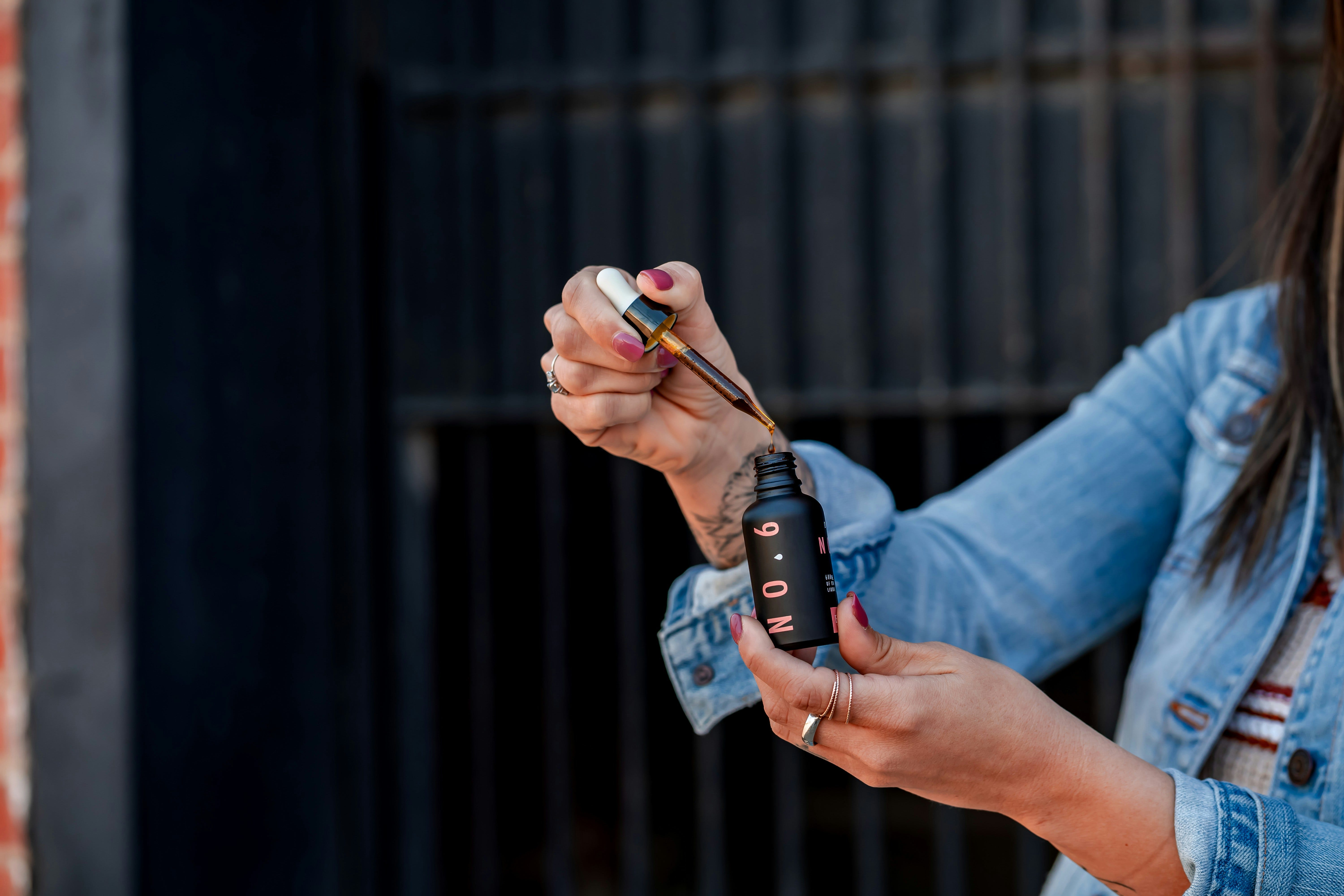
Bitter compounds on the tongue trigger a reflex arc that increases secretion of saliva, stomach acid, bile, and pancreatic enzymes. Every food culture on earth arrived at some version of it, from the aperitivo to the arugula salad to the pickled ginger. Fifteen to twenty minutes before a meal: a few drops of a bitters tincture in water, a small bitter salad, a splash of apple cider vinegar.
4. Eat raw enzyme sources with your heavy meals
Nature already made these:
Pineapple — bromelain, a protease. Notably active on protein, which is why pineapple in a meat marinade actually tenderizes it.
Papaya — papain. Also a protease, similar logic, often better tolerated by people who find pineapple too acidic.
Ginger — zingibain, a protease, plus a well-established prokinetic effect. It doesn’t just help break food down; it helps move it along (think gut motility)
Raw honey, kiwi, avocado, fermented foods — all bring something to the table. Fermented foods in particular are pre-digested by definition; the microbes did the enzymatic work before it reached you.
Have them with the heavy meal, not as a separate virtuous snack at 4pm.
5. Then, and only then, supplement
Supplemental enzymes work. But they belong at the top of the stack, not the bottom of it, and if you’re taking a protease capsule while eating a burrito in your car in eleven minutes, you have built a very expensive workaround for a problem you could have solved by sitting down.
When you do supplement, the things that actually matter:
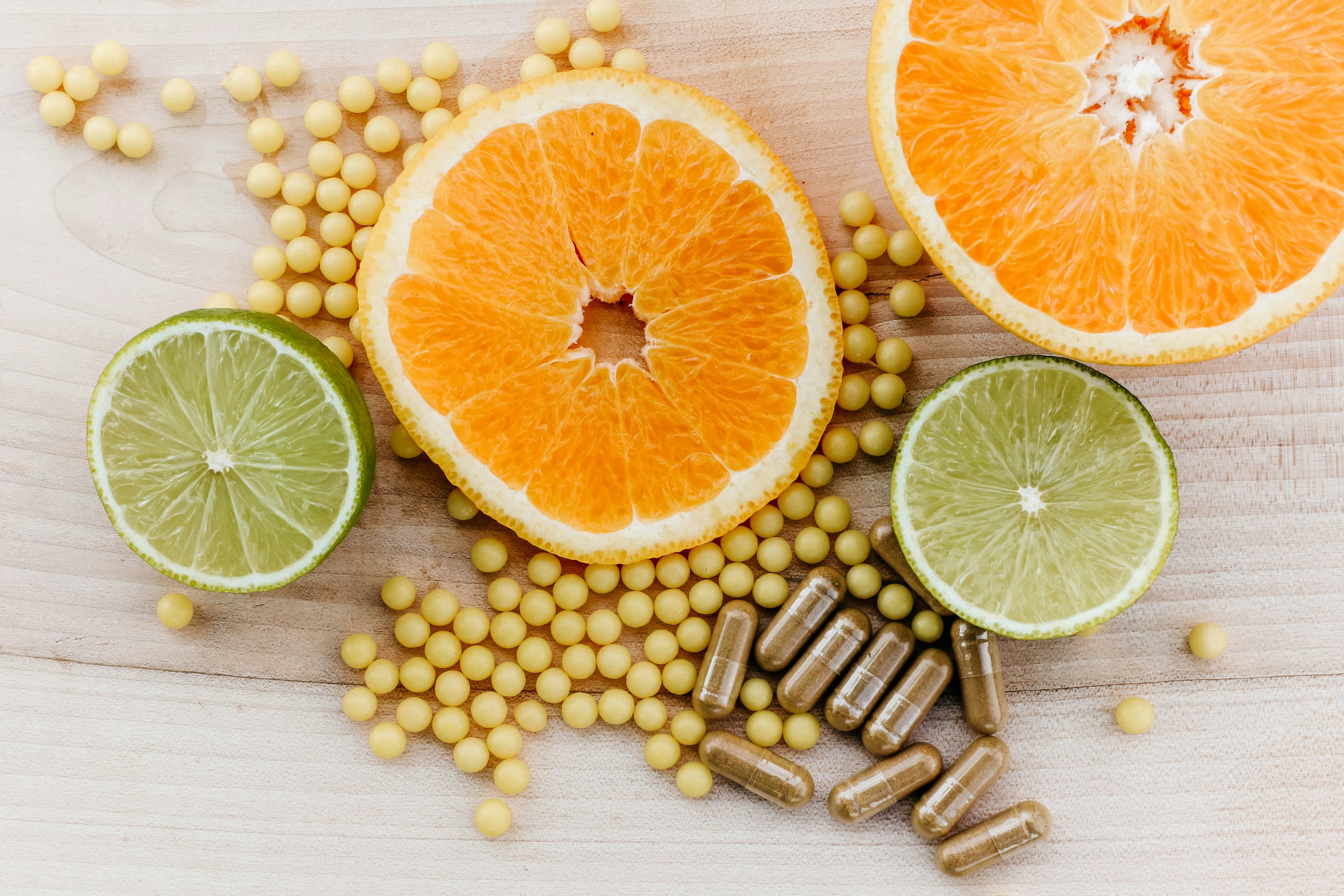
Plant proteases are the workhorses — but they’re only one stage. Bromelain and papain are the two best-characterized plant-derived proteases, and any serious blend is built on them. The problem is that a capsule of pure protease is intervening at exactly one point in a process with several. Digestion is an arc: secretion upstream, breakdown in the middle, motility at the end. A formula that only addresses the middle is solving a third of the problem and charging you for the whole thing. What I’d actually look for is proteases paired with the rest of the arc — a bitter to trigger secretion before anything else happens (dandelion root is the classic), ginger for movement, and something calming like peppermint or lemon balm for the tail end. That’s the entire sequence, not a single enzyme fired into the middle of it.
Timing is the whole game. Enzymes need to be in the stomach with the food. Take them right before eating or with the first bites. Taking them after the meal, when the bloating has already started, is closing the barn door.
Look at what’s actually in it. Dose and activity units (potency), not just a proprietary blend with a nice label.
The point
“Maxxing” implies addition. More, harder, further.
Enzymes are the opposite. This is a restoration problem, not an addition problem. Your body already knew how to do this — it did it effortlessly at nineteen, when you could eat anything, at any speed, and feel fine an hour later. What changed isn’t that you now need more stuff. What changed is that the conditions that made the system work have quietly eroded: you eat faster, you eat more stressed, you eat more cooked, you’re older, and possibly you’ve been suppressing the acid that starts the whole cascade.
The most sophisticated thing you can do here is also the least impressive-looking. Sit down. Chew. Eat something bitter first. Put the ginger in the meal.
The capsules are real and they help. But they are the last ten percent, and the wellness industry has convinced an enormous number of people to buy the last ten percent while ignoring the first ninety.
I’ve spent the last year deep in this literature — specifically the plant-derived proteases, and what an honest formulation in this category would actually look like. More on that soon.
Your article was clear, helpful, and very well written . Great job.